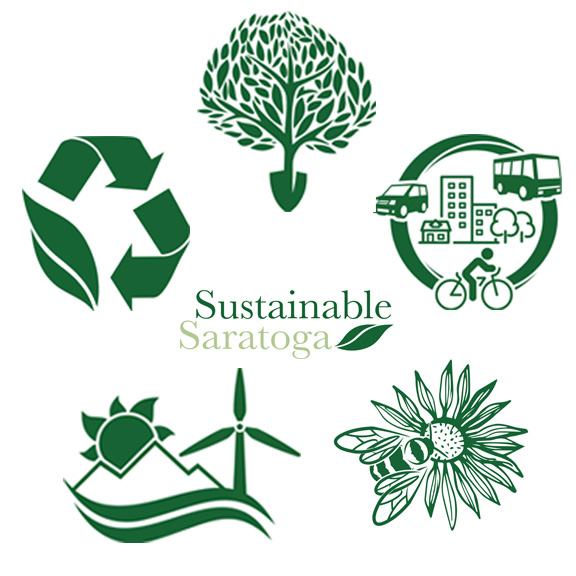
Learn More About Sustainable Saratoga’s Work
At Sustainable Saratoga, real environmental change starts right here in our community through the passion and dedication of our committee members. Whether you’re interested in expanding our local tree canopy, protecting native pollinators, promoting zero waste initiatives, advocating for smart land use, or taking action on climate and energy, there is a place for you to make a direct impact.
We invite you to explore our five active program committees below to see how our ongoing projects and events are transforming Saratoga—and discover how you can get involved to help shape a more sustainable future.

Urban Forestry Project
Expanding and preserving Saratoga’s urban forest. We all benefit from a dense cover of trees throughout our City: trees increase property values, reduce water pollution, improve air quality, reduce street and building temperators, support wildlife, and enhance our quality of life.

Zero Waste
Conserving resources and keeping waste out of landfills through education and by providing opportunities for our community to actively participate in easy and innovative ways to minimize household waste, including composting, repairing broken items, and recycling.

Climate and Energy
Protecting our natural resources through our efforts to increase energy efficiency, reduce energy waste, and develop renewable energy sources. We must act now to address the climate crisis.

Land Use
Supporting “smart” land use and urban development policies that minimize environmental impacts, maintain a strong local economy, and make our community more livable for everyone.

Pollinators
Pollinators play an essential role in the reproduction of over 85% of the world’s flowering plants, but they are under threat from climate change, habitat loss and pesticide use. We are working to protect native pollinators by creating food and habitat for them.